Region 02 · Content Library
Learn Mandarin with Taiwanese Media
The best Taiwanese YouTube channels, podcasts, forums, news and Netflix dramas for learning Mandarin, organised by format so you can go straight to what fits your study session. Everything here is in traditional characters and natural Taiwanese Mandarin. Prefer Mainland content? See the Mainland Chinese guide.
 Netflix
 YouTube
 PTT
PTT
 Dcard
Dcard
YouTube Channels & Podcasts
Creators who consistently publish long-form Taiwanese Mandarin: unscripted conversations, pop culture and current events. Watching with Renshi lets you click any word in the subtitles and break down the sentence without leaving the video.
-
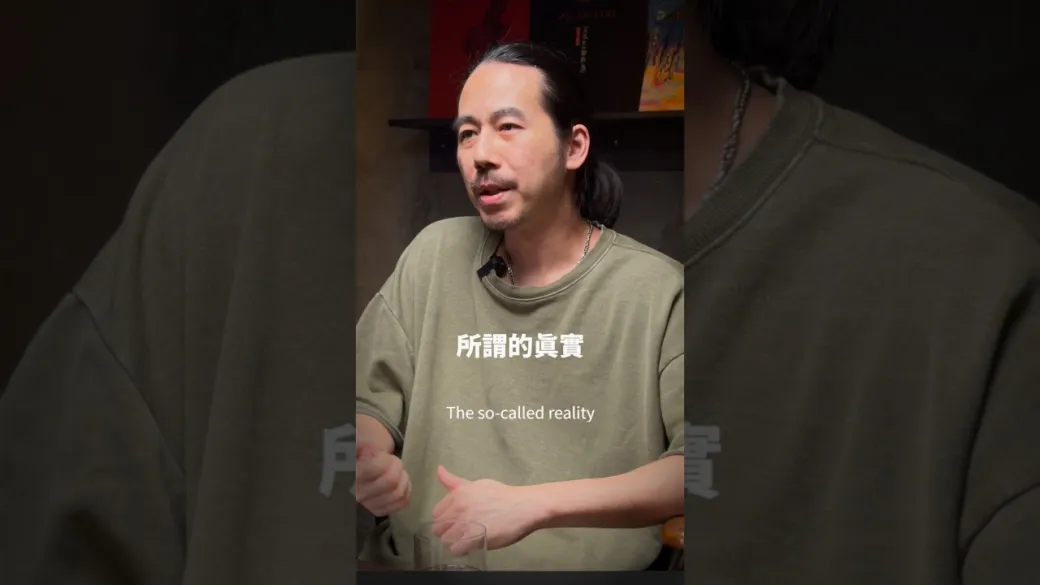
Drinking Library
Hosts Hank and Ting pour a drink and dive into thoughtful conversations about self-growth, relationships and the big questions of everyday life in Taiwan. A rich source of reflective vocabulary at a manageable pace.
-
The DoDo Men Podcast
The DoDo Men duo bounce between comedy, social commentary and candid interviews with public figures. Their humour is where you will hear Taiwanese internet slang in its natural habitat.
-
REALFAKE Podcast
A bilingual podcast with hosts Daniel Chen, Sean Peng and Kai Lin in unfiltered conversations with people from all walks of life. Ideal for daily listening to unpolished, natural Taiwanese speech.
-

唐綺陽官方專屬頻道
Jesse Tang's official astrology channel, covering zodiac signs, horoscopes and astrological insight. Surprisingly good for conversational Taiwanese Mandarin and pop-culture reference points.
-

Brian Tseng Podcast
Taiwanese comedian Brian Tseng invites artists, entrepreneurs and creators for frank chats about their careers and daily life. Expect quick banter, heavy slang and constant references to what younger Taiwanese audiences are watching.
-

范琪斐 斐姨所思
Senior US-based correspondent Fan Chi-fei hosts weekly shows on international news, politics and economics. The best pick here for formal register, which is where Taiwanese and Mainland Mandarin converge most closely.
-

初日醫學, 宋晏仁醫師 x Cofit
Health and wellness led by Dr. Sung Yen-jen, focused on weight management, nutrition and preventive medicine. Excellent for advanced medical and health vocabulary.
Forums & News, for Reading Practice
Text-first destinations, all in traditional characters. The forums are where Taiwanese slang is actually born; the news sites build formal, current-affairs register.
-
Dcard
Taiwan's go-to community forum, running from campus gossip and dating advice to finance, travel and everyday rants. The single best source for slang, and for seeing how Taiwanese people actually write to each other.
-

聯合新聞網 (UDN)
Major Taiwanese news portal with real-time coverage and opinion pieces. One article each morning is a realistic habit that builds current-affairs vocabulary quickly.
-

公視新聞網 (PTS News)
Public Television Service's news portal, with 24-hour coverage, in-depth reporting and digital storytelling across politics, society and culture, from an authentically Taiwanese perspective.
Netflix Dramas & Series
Narrative series worth pairing with dual subtitles. Dialogue-heavy contemporary dramas are the easier entry point; the anthologies and thrillers below demand more.
-

我們六個人 (The Six of Us)
Slice-of-life drama following six friends balancing work, relationships and family expectations. Dialogue-heavy scenes give repeated exposure to everyday phrasing, which makes it the best starting point on this list.
-

Let's Talk About Chu
A sex-positive dramedy following waxer and vlogger Chu Ai as she navigates desire, family expectations and self-discovery. Strong for contemporary, candid relationship vocabulary.
-
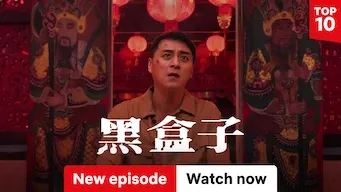
黑盒子 (The Black Box)
A near-future anthology with moral twists, in the vein of Black Mirror through a Taiwanese lens. Good for technology vocabulary and philosophical debate.
-

回魂計 (The Resurrected)
A 2025 thriller about two grieving mothers who revive a scam ringleader to avenge their daughters. Dark, suspenseful and dialogue-rich, with themes of revenge and justice.
-

On Children
An anthology of dystopian tales about parental pressure and social coercion. Useful for formal vocabulary around family dynamics and ethics, and a window into Taiwanese attitudes to education.
-
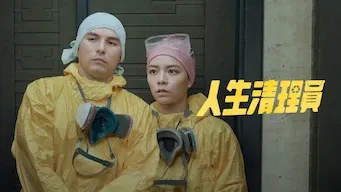
The Cleaner
A former crime boss runs a death-scene cleanup company, glimpsing the many facets of life and loss. Strong for crime, forensic and societal vocabulary.
Availability varies by country. Confirm access before planning study sessions.
Taiwanese vs Mainland Mandarin
The two are the same language and speakers understand each other without difficulty, but if you have only studied Mainland material the content above will feel unfamiliar at first. Taiwanese Mandarin drops the erhua ending, softens retroflex initials, leans on warm sentence-final particles such as 啦, 喔 and 耶, and borrows freely from Taiwanese Hokkien. The everyday vocabulary differs too:
| Meaning | Taiwan | Mainland |
|---|---|---|
| Video | 影片 | 視頻 |
| Internet, network | 網路 | 網絡 |
| Information | 資訊 | 信息 |
| Bicycle | 腳踏車 | 自行車 |
| Taxi | 計程車 | 出租車 |
| Potato | 馬鈴薯 | 土豆 |
| Pineapple | 鳳梨 | 菠蘿 |
Watch the last two rows: 土豆 means potato in the Mainland but usually peanut in Taiwan. Context resolves it, which is exactly what immersion teaches and a wordlist cannot. More on slang and particles in the FAQ below.
Frequently Asked Questions
Which Taiwanese content is easiest to start with?
Dialogue-heavy slice-of-life drama is the gentlest entry point, because the language is close to how people actually speak and the visuals carry a lot of the meaning. 我們六個人 (The Six of Us) is the easiest title on this page, and Drinking Library is the most manageable of the podcasts. Leave the news channels and fast comedy talk shows until later: at native speed with heavy slang, they mostly teach frustration.
Is Taiwanese Mandarin different from Mainland Mandarin?
They are the same language and mutually intelligible, but differ in three practical ways. Vocabulary: see the table above. Pronunciation: Taiwanese Mandarin generally drops the erhua ending, so 哪兒 becomes 哪裡, and softens retroflex initials, so 是 and 知道 land flatter than the sharply curled Mainland versions. Many learners find the result easier to follow.
Register: this is the difference people underestimate. Taiwanese speech uses softening particles constantly, and stacking them is normal: 好啦 (fine, then), 對啊 (yeah, exactly), 是喔 (oh really), 很好吃耶 (this is genuinely delicious). 不好意思 covers excuse me, sorry and thanks for your trouble, all day long. Strip the particles out and you sound abrupt to a Taiwanese ear, which is why they are best learned from real conversation rather than a grammar table.
What Taiwanese slang should I know?
A starter set, most of it born on Dcard and PTT long before any textbook: 魯蛇 (a loser, punning on the sound of the English word), 母湯 (do not do that, straight from Hokkien 毋通), 傻眼 (speechless, the reflexive response to anything absurd), 484 (a numeric pun on 是不是), 好康 (a good deal, from Hokkien), 奧客 (a nightmare customer) and 是在哈囉 (roughly, what on earth are you on about).
Hokkien borrowings run deep in ordinary speech too: 阿公 and 阿嬤 are used far more than 爺爺 and 奶奶 for grandparents.
Do Taiwanese shows use traditional or simplified characters?
Traditional characters (繁體字). Taiwanese subtitles, forums like Dcard and PTT, and news sites all use traditional characters, which is why Taiwanese media is essential practice if traditional characters are your goal. Taiwan also teaches pronunciation with 注音符號 (zhuyin, or bopomofo) rather than pinyin, and it is what people use to type.
What are the best Taiwanese dramas for learning Mandarin?
Dialogue-heavy contemporary dramas work best, because the language is closest to how people actually speak. 我們六個人 (The Six of Us) and Let's Talk About Chu suit intermediate learners; 黑盒子 (The Black Box) and On Children suit advanced learners.
How do I study effectively from Taiwanese YouTube and Netflix?
Watch with dual subtitles so you can read along, look up unfamiliar words without leaving the video, and break the sentence down when the structure rather than the vocabulary is what lost you. That last step matters most with stacked particles, where you know every word and still miss the meaning. Then save the vocabulary and review it as flashcards, and re-watch the clip: the second pass is where most of the retention happens.